
What Waiting Until the First Storm Actually Costs You
Right now your garage door is coated in a season's worth of dry-summer dust, maybe some wildfire-smoke grit, and it's been working fine in warm, stable temperatures. That changes fast once the first real cold front and rain move through the foothills. Dust turns to grime in the tracks, cold mornings stiffen torsion springs that have been quietly losing tension all year, and a door that's been "a little noisy" becomes a door that won't open at all during a storm, right when you need to get a car out or keep water from blowing underneath it. A stuck or jammed door in freezing rain isn't a weekend project you can put off anymore — it's an emergency call, usually at a worse price than a scheduled tune-up would have been. Thirty minutes now is cheaper than a stranded door in December.
Why Fall-to-Winter Is the Hardest Transition for Sierra Foothill Garages
Mariposa and the surrounding communities go from hot, dry, dusty summers straight into wet, rainy winters with cold snaps overnight. That swing is hard on a garage door system for a few specific reasons:
- Dry grit becomes abrasive sludge. Dust and fine debris that settled into the tracks and roller bearings over the summer mixes with the first rains and turns into a gritty paste that chews up rollers and hinges faster than dry dust ever would.
- Cold tightens metal. Torsion springs lose a small amount of tension as temperatures drop, and steel cables and hardware contract. A spring that was already near the end of its life cycle is far more likely to snap on a cold morning than a mild one.
- Wind-driven rain finds gaps. Homes in this area aren't dealing with coastal salt air, but winter storms here still bring sideways rain. Worn weatherstripping that was no big deal in August becomes a water problem in a January downpour.
Weatherstripping and Bottom Seal
Walk outside and look at the rubber seal along the bottom of the door and the stop molding around the sides and top. Summer sun and dust make this rubber brittle and crack it over time. Press on it — if it's hard, cracked, or pulling away from the track, water and cold air will come straight under the door this winter. Bottom seals are a low-cost, DIY-friendly swap for most standard doors, and it's worth doing before the rain starts rather than after you've already got a damp patch on the garage floor.
What to look for
- Daylight visible under the closed door
- Stiff, cracked, or flattened rubber that no longer compresses
- Gaps at the corners where the seal has shrunk
Springs and Cables: The Part Most People Ignore
Torsion springs are rated for a certain number of open-close cycles, and most homeowners have no idea how many cycles theirs has left. Cold weather doesn't cause spring failure on its own, but it does make a weakened spring more likely to give out, since the metal is stiffer and under more load when it's cold. Warning signs include:
- The door feels heavier than usual when opened manually
- A visible gap in the coils of the spring above the door
- A loud bang from the garage (often the spring snapping)
- The opener straining or reversing unexpectedly
Springs are under extreme tension and are genuinely dangerous to replace yourself — this is one job to leave to a technician, especially with cold-weather failure risk in play.
Tracks, Rollers, and Hardware
Before the rain comes, clean the tracks with a dry cloth to remove dust and debris, then apply a garage-door-specific lubricant (not WD-40, which attracts dust) to the rollers, hinges, and the springs themselves. Check that the track brackets are tight against the wall — loose brackets are more common in older foothill homes and get worse with the vibration of regular use. If your door has steel rollers that are visibly worn or nylon rollers that are cracked, replacing them now prevents a mid-winter track jam.
Opener, Sensors, and Backup Power
Winter storms in this area bring power outages along with the rain. Test your opener's battery backup if it has one, and make sure you know how to manually release and lift the door by hand if the power goes out. Clean the safety sensor eyes near the floor on each side of the door — dust buildup from summer is a common cause of a door that won't close properly, and it's an easy fix.
A Quick Note on Seismic Bracing
If your home has had broader earthquake retrofit work done, it's worth confirming the garage door track and header are properly braced too, since this part of the house often gets overlooked in retrofit projects even though it's a large opening in an otherwise load-bearing wall.
When to Call Mariposa Garage Door
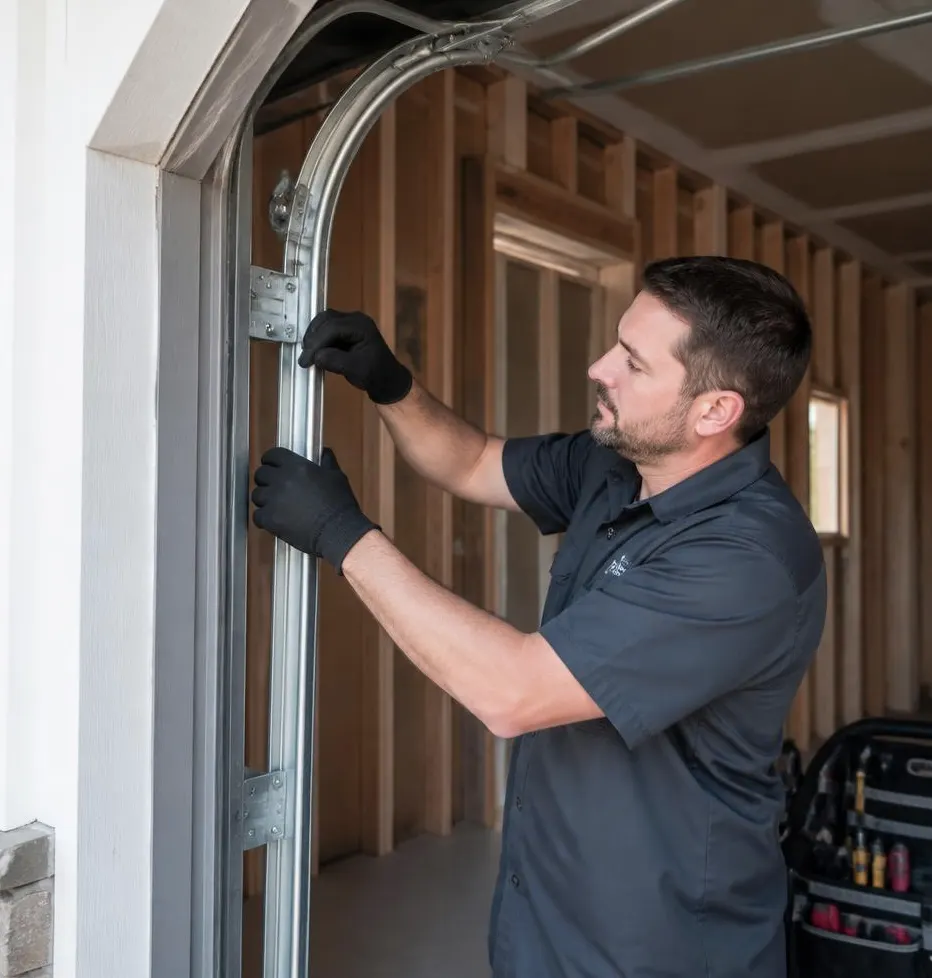
If you're hearing grinding in the tracks, seeing a gap in a spring coil, or your door feels noticeably heavier than it used to, don't wait for the first cold snap to find out how bad it is. Mariposa Garage Door handles spring replacement safely with the right tools and tension equipment, and our garage door maintenance service covers the full checklist above — lubrication, hardware tightening, weatherstripping, and sensor cleaning — in one visit. We work throughout Mariposa, Midpines, El Portal, Catheys Valley, Coulterville, Hornitos, Bear Valley, and Bootjack, and we know what the dry-to-wet transition does to garage doors in these foothill conditions.
Get your garage door winter-ready before the rain starts. Call Mariposa Garage Door today to schedule a pre-winter inspection or spring check in Mariposa, CA.